
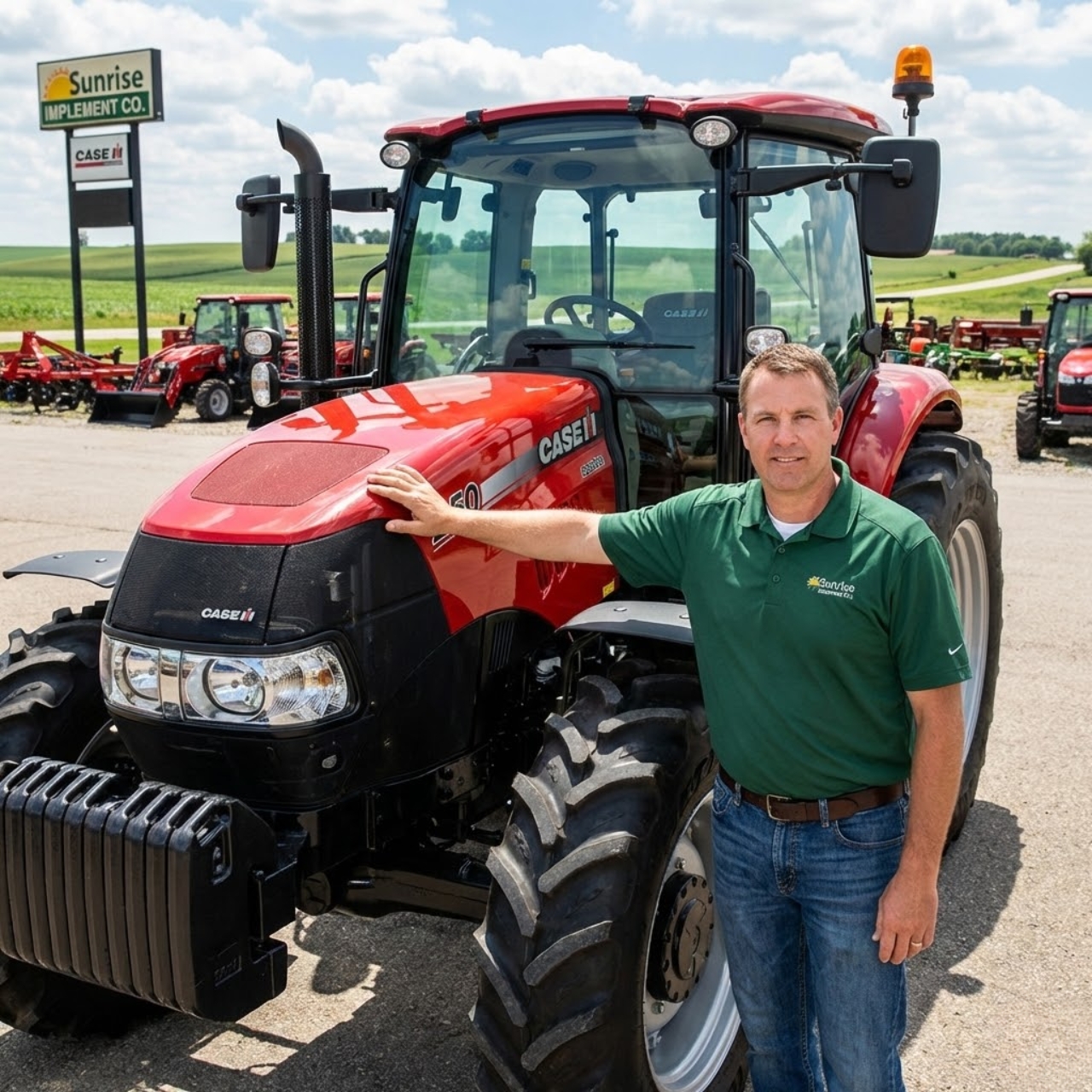
Agricultural equipment holds significant resale value, but only when it appears well-maintained and operational. A tractor caked in years of soil, crop residue, and hydraulic fluid sells for 15-30% less than an identical model that looks ready for immediate deployment. The difference is not mechanical condition – it is visual presentation and the buyer confidence it creates.
Dealers, contractors, and farm operators preparing equipment for resale face a straightforward challenge: remove accumulated contamination efficiently enough to justify the effort with higher sale prices. Manual cleaning methods consume 8-12 hours per machine and rarely achieve the consistent results that influence buyer decisions. Hotwash industrial parts washers deliver the thorough, efficient cleaning that transforms resale equipment from questionable purchases into premium-priced assets.
Why Agricultural Equipment Resale Preparation Requires Industrial Cleaning
Agricultural machinery accumulates contamination layers that manual washing cannot effectively address. Combine harvesters carry crop chaff embedded in every crevice. Tractors collect soil compacted into undercarriages, mixed with leaked hydraulic fluid and diesel. Planters harbour fertiliser residue that corrodes exposed metal when left untreated.
These contamination types create specific resale obstacles. Potential buyers inspect equipment carefully, looking for maintenance neglect indicators. Thick grime covering inspection points raises immediate questions: what mechanical issues does this dirt conceal? Heavy soil buildup around hydraulic fittings suggests possible leaks. Crop residue packed into cooling fins indicates overheating risks.
The visual assessment happens before mechanical inspection begins. Equipment that appears neglected sells slowly and attracts lowball offers, regardless of actual mechanical condition. Machinery presenting clean, inspection-ready appearance commands asking prices and sells within days of listing.
Industrial cleaning systems address this reality by removing contamination completely rather than superficially. High-pressure heated spray penetrates compacted soil, dissolves hydraulic fluid films, and strips away crop residue that pressure washers merely redistribute. The result creates the visual confidence that drives resale values upward.
Agricultural Equipment Contamination Types That Impact Sale Prices
Different agricultural applications create distinct contamination challenges that affect equipment presentation and buyer perception.
Soil and Clay Buildup: Tillage equipment, tractors, and harvesters accumulate compacted soil that bonds with leaked fluids to form cement-like layers. These deposits obscure equipment condition and suggest poor maintenance practices. Buyers discount prices accordingly, assuming hidden mechanical problems exist beneath the grime.
Crop Residue Accumulation: Harvesters, balers, and processing equipment collect plant material in drive systems, cooling components, and structural cavities. Decomposing organic matter creates corrosion and harbours moisture that damages bearings and electrical systems. Visible crop buildup signals deferred maintenance and justifies reduced offers.
Hydraulic and Oil Contamination: Agricultural equipment relies heavily on hydraulic systems that inevitably develop minor leaks. Hydraulic fluid attracts dust, creating thick deposits on cylinders, hoses, and fittings. These contaminated areas raise buyer concerns about seal condition and system integrity, directly impacting negotiated prices.
Fertiliser and Chemical Residue: Application equipment carries corrosive chemical residues that damage painted surfaces and exposed metal. Visible chemical staining indicates potential structural weakening and suggests the equipment operated beyond recommended service intervals. Buyers factor remediation costs into their offers.
Rust and Surface Oxidation: Equipment stored outdoors develops surface rust that appears worse than actual structural condition. While often superficial, visible oxidation dramatically reduces perceived value. Removing rust and presenting clean metal surfaces eliminates this pricing obstacle.
Each contamination type requires specific cleaning approaches. Heavy-duty parts washers combine heated water, high pressure, and extended cycle times to address agricultural equipment’s unique cleaning demands, removing contamination that manual methods leave behind.
The Financial Impact of Professional Equipment Preparation
Resale preparation investment generates measurable returns through higher sale prices and faster transaction times. A $45,000 used tractor selling in average condition might require $2,500 in price reduction to attract serious buyers. The same tractor professionally cleaned and detailed commands full asking price and sells within the first week of listing.
The mathematics favour thorough preparation. Industrial cleaning costs $200-400 per machine depending on size and contamination level. This investment typically returns 10-15 times its cost through eliminated price discounting. A combine harvester listed at $120,000 might sell for $108,000 when presenting poorly. Professional cleaning that costs $600 preserves the additional $12,000 in sale value.
Time-to-sale improvements create additional financial benefits. Equipment sitting unsold ties up capital, occupies storage space, and continues depreciating. Machinery that sells immediately after listing eliminates these holding costs while freeing resources for additional inventory turnover.
Buyer confidence represents another quantifiable advantage. Clean, inspection-ready equipment attracts serious purchasers who make decisions quickly. Neglected machinery draws tire-kickers who use visible contamination as negotiating leverage, prolonging sales cycles and reducing final prices.
Dealers preparing multiple units annually see compounding returns. A contractor turning over 15 tractors per year invests approximately $4,500 in professional cleaning while preserving $60,000-90,000 in aggregate sale values. The cleaning investment pays for itself through the first two units sold.
Equipment Categories That Benefit Most from Resale Preparation
Certain agricultural equipment types show particularly dramatic value improvements from thorough cleaning, making preparation investment especially worthwhile.
Tractors and Power Units: These high-value machines receive intense buyer scrutiny. Clean engine compartments, detailed undercarriages, and spotless hydraulic systems create immediate positive impressions. Buyers pay premium prices for tractors appearing meticulously maintained, even when mechanical condition matches less-clean alternatives.
Combine Harvesters: These complex machines carry visible crop residue that raises operational concerns. Professional cleaning that removes all plant material from drives, belts, and processing components demonstrates proper maintenance and justifies higher asking prices. Buyers willingly pay $8,000-15,000 more for combines presenting inspection-ready condition.
Planters and Seeders: Fertiliser residue and soil buildup on these precision machines suggest calibration problems and mechanical wear. Thorough cleaning reveals actual component condition and eliminates buyer hesitation about chemical damage. Clean planters sell for 20-25% more than contaminated equivalents.
Tillage Equipment: Discs, cultivators, and ploughs accumulate massive soil deposits that obscure structural condition. Industrial cleaning exposes frame integrity, bearing condition, and wear patterns that buyers need to assess. Presenting clean tillage equipment eliminates the automatic discounting that contaminated implements receive.
Hay and Forage Equipment: Balers, mowers, and tedders collect organic material that suggests poor storage and maintenance. Professional cleaning removes decomposing plant matter and reveals actual mechanical condition, directly improving sale prices and buyer interest.
Extra heavy-duty parts washers handle the large components and heavy contamination typical of agricultural equipment, providing the cleaning capacity that resale preparation demands.
Industrial Cleaning Methods That Maximise Resale Value
Effective agricultural equipment preparation requires cleaning approaches that address contamination completely rather than cosmetically. Different system types deliver specific advantages for resale preparation workflows.
High-Pressure Spray Washing: Automated spray washers deliver 1,000-2,000 PSI heated water that penetrates compacted soil and strips away hydraulic deposits. Rotating spray arms provide complete coverage of complex geometries, reaching areas that manual cleaning misses. Programmable cycles ensure consistent results across multiple equipment pieces, eliminating the quality variation inherent in manual methods.
Hot Tank Immersion Cleaning: Large components requiring complete contamination removal benefit from heated immersion tanks. Hydraulic cylinders, transmission housings, and engine blocks emerge spotless after soaking in heated cleaning solution. This method removes embedded contamination that spray washing cannot reach, delivering the pristine appearance that maximises resale values.
Combination Cleaning Approaches: Complex equipment often requires sequential cleaning methods. Initial high-pressure spray removes bulk contamination, followed by targeted hand cleaning of detailed areas, then final spray rinse for uniform appearance. Hot tank systems complement spray washers in comprehensive preparation facilities.
Temperature and Chemical Selection: Heated water (60-80°C) dramatically improves cleaning effectiveness on hydraulic fluids and organic residues. Alkaline detergents break down oil films while remaining safe for painted surfaces. Proper chemical selection prevents damage while maximising contamination removal.
Drying and Finishing: Complete water removal prevents rust formation and creates the ready-to-operate appearance buyers value. Compressed air drying followed by protective coating application on exposed metal surfaces maintains the cleaned condition through the sale process.
Establishing Efficient Resale Preparation Workflows
Dealers and contractors processing multiple equipment pieces require systematic approaches that maximise cleaning efficiency while controlling labour costs.
Intake Assessment: Document contamination levels and identify specific cleaning requirements during equipment receipt. Photograph all angles to establish baseline condition and support before-after marketing materials. This 15-minute investment guides cleaning method selection and provides valuable sales documentation.
Staged Cleaning Process: Address heavy contamination first using high-pressure spray washing to remove bulk soil and crop residue. Follow with targeted cleaning of detailed areas requiring hand attention. Complete the process with final spray rinse and protective coating application. This progression minimises total labour hours while achieving thorough results.
Component Removal and Individual Cleaning: Detachable components often clean more effectively when removed. Hydraulic cylinders, filters, and access panels receive complete cleaning when processed individually in thermal spray systems. This approach ensures no contamination remains hidden in assembled equipment.
Quality Control Standards: Establish specific cleanliness criteria that all equipment must meet before listing. Consistent standards ensure reliable results and build dealer reputation for well-prepared machinery. Buyers recognise dealers who consistently present inspection-ready equipment and return for future purchases.
Documentation and Marketing: Professional photographs of cleaned equipment generate significantly more buyer interest than images showing contaminated machinery. Investment in cleaning directly improves marketing effectiveness and justifies higher asking prices through visual presentation quality.
Labour Cost Reduction Through Automated Cleaning
Manual agricultural equipment cleaning consumes 8-12 hours per machine when performed thoroughly. Two workers spending a full day washing a combine harvester represent $400-600 in direct labour costs, plus the opportunity cost of tasks left incomplete.
Automated industrial cleaning reduces this investment to 2-3 hours of actual labour. Workers load equipment or components into spray washers, initiate cleaning cycles, and perform final detailing while automated systems handle contamination removal. This efficiency improvement allows the same workforce to prepare 3-4 times more equipment monthly.
The labour reduction creates capacity for revenue-generating activities. Service technicians freed from cleaning duties perform mechanical inspections, maintenance, and repairs that generate additional income. Sales staff focus on customer relationships rather than equipment preparation, improving transaction volumes and customer satisfaction.
Consistency represents another labour advantage. Automated systems deliver identical results regardless of worker fatigue, experience level, or time pressure. Every equipment piece receives thorough cleaning that meets established standards, eliminating the quality variation that occurs with manual methods.
Worker safety improvements add value beyond direct labour savings. Automated cleaning eliminates exposure to cleaning chemicals, reduces repetitive motion injuries, and removes slip hazards associated with pressure washing operations. Reduced workplace injury rates lower insurance costs while improving employee retention.
Australian Standards Compliance in Agricultural Equipment Resale
Agricultural equipment resale in Australia requires attention to workplace safety and environmental regulations that affect cleaning operations. Proper preparation methods ensure compliance while protecting business operations from regulatory risks.
Workplace Health and Safety: Automated cleaning systems reduce worker exposure to cleaning chemicals, high-pressure water hazards, and repetitive motion injuries. Australian WHS regulations favour mechanical solutions that minimise manual handling and chemical contact. Industrial parts washers meet these requirements while improving operational efficiency.
Environmental Considerations: Wash water containing hydraulic fluids, diesel, and agricultural chemicals requires proper treatment before discharge. Industrial cleaning systems with integrated filtration and oil separation ensure compliance with environmental protection requirements while reducing disposal costs.
Electrical Safety Standards: Australian electrical standards require specific safety features in industrial cleaning equipment. Locally manufactured systems incorporate required safety switches, proper earthing, and appropriate IP ratings for wet environments, ensuring compliant operations.
Pressure Equipment Regulations: High-pressure cleaning systems must meet Australian pressure equipment standards. Properly certified equipment protects operators while ensuring business compliance with safety regulations.
Selecting Appropriate Cleaning Systems for Agricultural Resale Operations
Equipment dealers and contractors require cleaning capacity matched to their preparation volume and equipment types. System selection directly impacts operational efficiency and return on cleaning investment.
Operations preparing 5-10 equipment pieces monthly require different capacity than facilities processing 30-40 units. Chamber dimensions must accommodate the largest components requiring cleaning. A 2.4-metre spray washer handles tractor front axles and harvester headers, while smaller units restrict preparation to compact equipment.
Contamination severity determines required cleaning power. Light dust and crop residue respond to moderate pressure and temperature. Heavy soil compacted with hydraulic fluid demands higher pressure (1,500+ PSI) and elevated temperatures (70-80°C). Super heavy-duty parts washers provide the cleaning intensity that severely contaminated agricultural equipment requires.
Operational considerations include cycle time requirements, water consumption, and heating capacity. Faster cycle times increase daily throughput but may require higher power consumption. Water recycling reduces operating costs in high-volume operations while supporting environmental compliance.
Australian manufacturing ensures local support availability, parts access, and compliance with domestic standards. Locally built systems accommodate Australian electrical requirements and integrate with existing facility infrastructure without modification.
Conclusion
Agricultural equipment resale values respond directly to presentation quality. Machinery appearing well-maintained commands premium prices and sells quickly, while contaminated equipment languishes unsold despite identical mechanical condition. Professional cleaning investment returns 10-15 times its cost through preserved sale values and reduced time-to-sale.
Industrial parts washers transform resale preparation from labour-intensive manual processes into efficient automated workflows. Thorough contamination removal creates the visual confidence that drives buyer decisions and justifies asking prices. The cleaning investment pays for itself through the first few units sold while establishing dealer reputation for quality equipment.
Australian-manufactured cleaning systems deliver the durability, capacity, and compliance that agricultural resale operations require. Purpose-built equipment handles the heavy contamination and large components typical of agricultural machinery, providing consistent results that manual methods cannot match.
Dealers and contractors serious about maximising resale returns require industrial cleaning capacity that matches their preparation volume. Contact us to discuss cleaning systems engineered for agricultural equipment resale preparation. The team provides specification guidance, capacity recommendations, and ROI analysis specific to equipment types and preparation volumes, ensuring cleaning investment delivers measurable financial returns through improved sale prices and operational efficiency.

Leave A Comment