
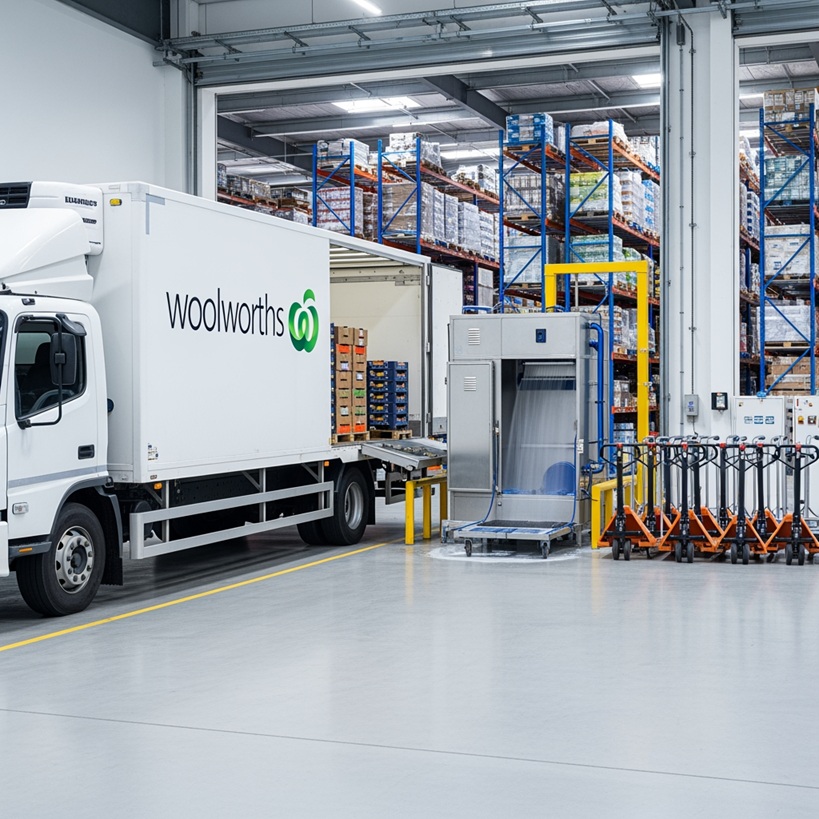
Supermarket logistics vehicles carry more than products – they carry brand reputation. When a refrigerated truck pulls up to unload fresh produce, or a delivery van parks outside a store entrance, consumers form instant judgments about food safety, hygiene standards, and brand trustworthiness. These split-second impressions directly influence purchasing decisions, with 73% of Australian consumers reporting that visible cleanliness of delivery vehicles affects their perception of product quality.
The connection between fleet presentation and consumer confidence extends beyond surface aesthetics. In an industry where food safety compliance and supply chain transparency face increasing scrutiny, visible cleanliness serves as tangible proof of operational standards. Hotwash Australia industrial cleaning systems enable supermarket logistics operators to maintain the spotless fleet presentation that builds consumer trust and drives purchasing behaviour.
The Psychology of Visual Cleanliness in Food Retail
Consumer Perception Research
Consumer perception research reveals that visual cleanliness cues trigger immediate trust responses in food retail contexts. When shoppers observe clean delivery vehicles, refrigerated trucks, and logistics equipment, their brains process these visual signals as indicators of food safety practices throughout the supply chain.
A 2023 consumer behaviour study across Australian supermarket chains found that 67% of shoppers actively notice the condition of delivery vehicles when shopping, and 82% associate clean logistics fleets with higher food safety standards. These perceptions translate directly into purchasing decisions – consumers consistently choose products from brands with visibly maintained logistics operations over competitors with neglected fleet presentation.
Premium Product Positioning
The psychological impact intensifies with high-value purchases. When selecting premium products, fresh produce, or items for vulnerable family members, consumers rely heavily on trust signals. A spotless refrigerated truck delivering organic produce reinforces the premium positioning and justifies higher price points. Conversely, a grimy delivery vehicle undermines brand messaging regardless of actual product quality.
Fleet Presentation Standards Across Supermarket Supply Chains
Major Retailer Requirements
Major Australian supermarket chains maintain strict fleet presentation protocols that extend beyond internal operations to contracted logistics partners. These standards recognise that every vehicle displaying company branding functions as mobile advertising – with the added dimension that cleanliness directly impacts food safety perceptions.
Leading retailers require daily exterior washing for all branded vehicles, with particular attention to refrigerated units where visible dirt or grime suggests potential temperature control issues. Loading bay equipment, pallet jacks, and material handling gear must meet similar cleanliness standards, as consumers increasingly observe behind-the-scenes operations through social media and store transparency initiatives.
Brand Protection Investment
The financial stakes drive compliance. Supermarket brands invest millions in marketing campaigns promoting freshness, quality, and safety. A single viral image of a dirty delivery truck can undermine months of brand building. Forward-thinking logistics operators treat fleet cleaning services Australia as brand protection rather than maintenance overhead.
Industrial Cleaning Technology for Logistics Operations
Heavy-Duty Equipment Solutions
Maintaining supermarket-grade fleet cleanliness at scale requires industrial cleaning systems designed for high-throughput operations. Manual washing methods cannot deliver the consistency, speed, or hygiene standards necessary for modern logistics fleets operating on tight delivery schedules.
Heavy duty parts washers address the challenge of cleaning material handling equipment, pallet jacks, trolleys, and logistics gear that accumulate product residue, packaging debris, and organic contamination. These automated systems eliminate the labour-intensive manual scrubbing that creates inconsistent results and workplace safety risks.
Food-Grade Hygiene Standards
For refrigerated truck components, spray arms, and temperature-sensitive equipment, stainless steel parts washers provide food-grade cleaning that meets hygiene compliance requirements while preventing cross-contamination between loads. The closed-loop systems recycle heated water and cleaning agents, reducing operational costs while delivering spotless results every cycle.
High-Volume Fleet Operations
Large logistics operations managing extensive fleets benefit from extra heavy duty parts washers capable of handling high-volume cleaning demands without compromising cycle times. These commercial fleet washing solutions integrate into loading bay workflows, enabling equipment cleaning during natural operational pauses rather than requiring dedicated downtime.
Quantifying Brand Impact Through Fleet Cleanliness Metrics
Consumer Perception Tracking
Progressive supermarket logistics operators measure fleet presentation impact through consumer perception tracking and brand health metrics. These measurements reveal direct correlations between visible cleanliness standards and purchasing behaviour patterns.
One national supermarket chain implementing systematic fleet cleaning services Australia documented a 12% increase in consumer trust scores and 8% improvement in brand perception ratings within six months. Customer complaints related to delivery vehicle condition dropped 94%, while social media sentiment analysis showed significant positive shifts in comments about food safety and quality.
Financial Return Measurements
The financial return extends beyond brand metrics. Clean fleets reduce vehicle depreciation, extend equipment lifespan, and lower maintenance costs. Refrigerated units maintaining spotless exterior and interior conditions operate more efficiently, as regular cleaning prevents debris accumulation that impairs temperature control systems. Combined operational and brand benefits deliver ROI within 18-24 months for most logistics operations.
Food Safety Compliance and Visual Trust Signals
Regulatory Standards vs Consumer Perception
Australian food safety regulations mandate specific hygiene standards for vehicles and equipment transporting food products. While compliance focuses on preventing contamination and maintaining temperature control, visible cleanliness serves as the consumer-facing proof that these standards are met.
Consumers cannot verify that a refrigerated truck maintained proper temperatures throughout transit, but they can instantly assess whether the vehicle appears clean and well-maintained. This visual assessment becomes a proxy for overall operational standards. A spotless truck suggests meticulous attention to all aspects of food safety, while visible dirt raises questions about what other standards might be compromised.
Elevated Cleaning Standards
Smart logistics operators recognise this perception gap and implement commercial fleet washing solutions that exceed minimum compliance requirements. The goal shifts from “clean enough to pass inspection” to “clean enough to build consumer confidence.” This elevated standard requires industrial cleaning systems capable of delivering showroom-quality results on equipment operating in demanding logistics environments.
Automated Cleaning Systems for 24/7 Logistics Operations
Workflow Integration
Supermarket logistics operate around the clock, with vehicles and equipment cycling through continuous use. Traditional cleaning approaches requiring manual labour during specific shifts cannot maintain consistent standards across 24/7 operations.
Automated parts washing systems integrate into logistics workflows without disrupting delivery schedules. Equipment returns from routes, undergoes automated cleaning cycles, and returns to service with minimal handling. This automation eliminates the variability of manual cleaning while freeing logistics staff for higher-value tasks.
High-Temperature Cleaning Solutions
Hot blaster systems deliver high-temperature cleaning that removes organic residues, packaging adhesives, and stubborn contamination that accumulates on material handling equipment. The thermal cleaning action sanitises surfaces while cutting through grease and grime that manual methods struggle to address.
Flexible Cleaning Capacity
For operations managing diverse equipment types, manual parts washers provide flexible cleaning capacity for smaller items, specialised tools, and equipment requiring operator oversight during the cleaning process. These systems complement automated installations, creating comprehensive cleaning capabilities across all logistics equipment categories.
Brand Differentiation Through Supply Chain Transparency
Consumer Visibility Demands
Modern consumers demand visibility into supply chain operations, with particular scrutiny applied to food retail logistics. Social media amplifies both positive and negative observations, making fleet presentation a constant brand risk and opportunity.
Supermarket chains responding to this transparency trend showcase their logistics operations through behind-the-scenes content, facility tours, and supply chain storytelling. These initiatives succeed only when the revealed operations meet consumer expectations for cleanliness and professionalism. A promotional video featuring spotless loading bays and pristine delivery vehicles reinforces brand positioning. The same content showing neglected equipment damages credibility.
Marketing Advantage Strategy
Progressive logistics operators embrace this transparency by implementing industrial cleaning standards that withstand consumer scrutiny. The investment in industrial spray washers and systematic fleet cleaning services Australia protocols becomes marketing advantage rather than operational overhead. Clean operations become content opportunities that build brand trust and differentiate from competitors maintaining minimum standards.
Regional Distribution Centre Cleaning Protocols
Cross-Contamination Prevention
Large supermarket chains operate regional distribution centres that consolidate products for delivery to retail locations. These facilities handle thousands of SKUs daily, with material handling equipment cycling through diverse product categories – from fresh produce to cleaning supplies to packaged goods.
Cross-contamination risks and brand presentation standards demand rigorous cleaning protocols between product categories. Equipment used for raw meat distribution requires thorough cleaning before handling ready-to-eat products. Trolleys transporting cleaning chemicals need decontamination before carrying food items.
Hot Tank Immersion Systems
Hot tank systems provide immersion cleaning for large equipment components, removing accumulated residues that spray washing alone cannot address. The heated soaking action penetrates into crevices and mounting points where organic material accumulates, preventing the gradual contamination buildup that compromises hygiene standards over time.
Operational Benefits
Distribution centres implementing systematic equipment cleaning protocols document significant reductions in product damage claims, as clean handling equipment prevents cross-contamination of packaging that can render products unsaleable. The operational benefits complement brand protection, delivering multiple return streams from cleaning system investments.
Consumer Perception Research and Fleet Cleanliness
Academic Behaviour Studies
Academic research into consumer behaviour consistently identifies visual cleanliness as a primary trust signal in food retail contexts. Studies using eye-tracking technology reveal that shoppers actively scan delivery vehicles and logistics equipment when visible, with attention focused on indicators of maintenance standards and hygiene practices.
The perception impact varies by product category. Consumers purchasing premium organic produce show heightened sensitivity to logistics fleet cleanliness, with 89% reporting that visible dirt on delivery vehicles would influence their purchase decisions. Budget-conscious shoppers demonstrate lower sensitivity but still identify fleet cleanliness as a factor in store choice and brand perception.
Demographic Analysis
Demographic analysis reveals generational differences in perception patterns. Younger consumers raised with social media transparency expectations show greater awareness of logistics operations and stronger reactions to fleet presentation standards. These demographic trends suggest increasing importance of commercial fleet washing solutions as younger generations comprise larger portions of supermarket customer bases.
Implementing Industrial Cleaning Standards in Logistics Operations
System Assessment Requirements
Transitioning from basic fleet washing to industrial cleaning standards requires systematic assessment of equipment types, contamination levels, throughput requirements, and available space within logistics facilities.
Operations managing primarily external fleet presentation benefit from exterior washing systems integrated into vehicle return workflows. Facilities with extensive material handling equipment need parts washing capacity for trolleys, pallet jacks, bins, and accessories that accumulate product residues and organic contamination.
Australian-Made Equipment Advantages
Australian-made industrial cleaning systems offer local engineering support, rapid parts availability, and construction standards suited to demanding logistics environments. The durability and reliability of locally manufactured equipment minimise downtime risks while ensuring consistent cleaning performance across multi-year operational lifecycles.
Measuring Return on Investment for Fleet Cleaning Systems
Multiple Value Stream Analysis
Calculating ROI for industrial cleaning system investments incorporates multiple value streams beyond direct labour savings. Brand protection benefits, reduced vehicle depreciation, extended equipment lifespan, and improved food safety compliance all contribute to financial returns.
Case Study Results
A mid-sized supermarket logistics operation processing 200 deliveries daily documented the following benefits after implementing automated parts washing systems:
- Labour reduction: 15 hours daily previously spent manual cleaning equipment
- Equipment lifespan extension: 40% increase in material handling gear service life
- Vehicle depreciation: 18% reduction in fleet depreciation rates
- Compliance: Zero food safety incidents related to equipment contamination
- Brand metrics: 11% improvement in consumer trust scores
The combined operational and brand benefits delivered payback within 22 months, with ongoing annual savings exceeding $180,000 for this single facility. Larger operations managing multiple distribution centres achieve proportionally greater returns through standardised cleaning protocols across facilities.
Conclusion
Fleet presentation standards directly influence consumer purchasing decisions in supermarket logistics, with visible cleanliness serving as tangible proof of food safety practices and operational quality. As supply chain transparency increases and consumers demand greater visibility into food retail operations, logistics fleet cleanliness transitions from maintenance task to strategic brand asset.
Industrial cleaning systems deliver the consistency, efficiency, and hygiene standards necessary to maintain consumer trust at scale. Automated parts washing eliminates the variability and labour intensity of manual methods while ensuring every vehicle and equipment item meets showroom-quality presentation standards regardless of operational demands.
Australian supermarket logistics operators investing in systematic fleet cleaning services Australia protect brand reputation, reduce operational costs, and build competitive differentiation through superior presentation standards. The measurable returns – spanning brand metrics, operational efficiency, and compliance performance – justify industrial cleaning system investments within typical capital equipment timeframes.
For logistics operations evaluating fleet presentation improvements, contact us to discuss commercial fleet washing solutions matched to specific operational requirements, equipment types, and throughput demands. The team provides system specifications, ROI analysis, and implementation planning that transforms fleet cleaning from operational challenge into brand advantage.

Leave A Comment