
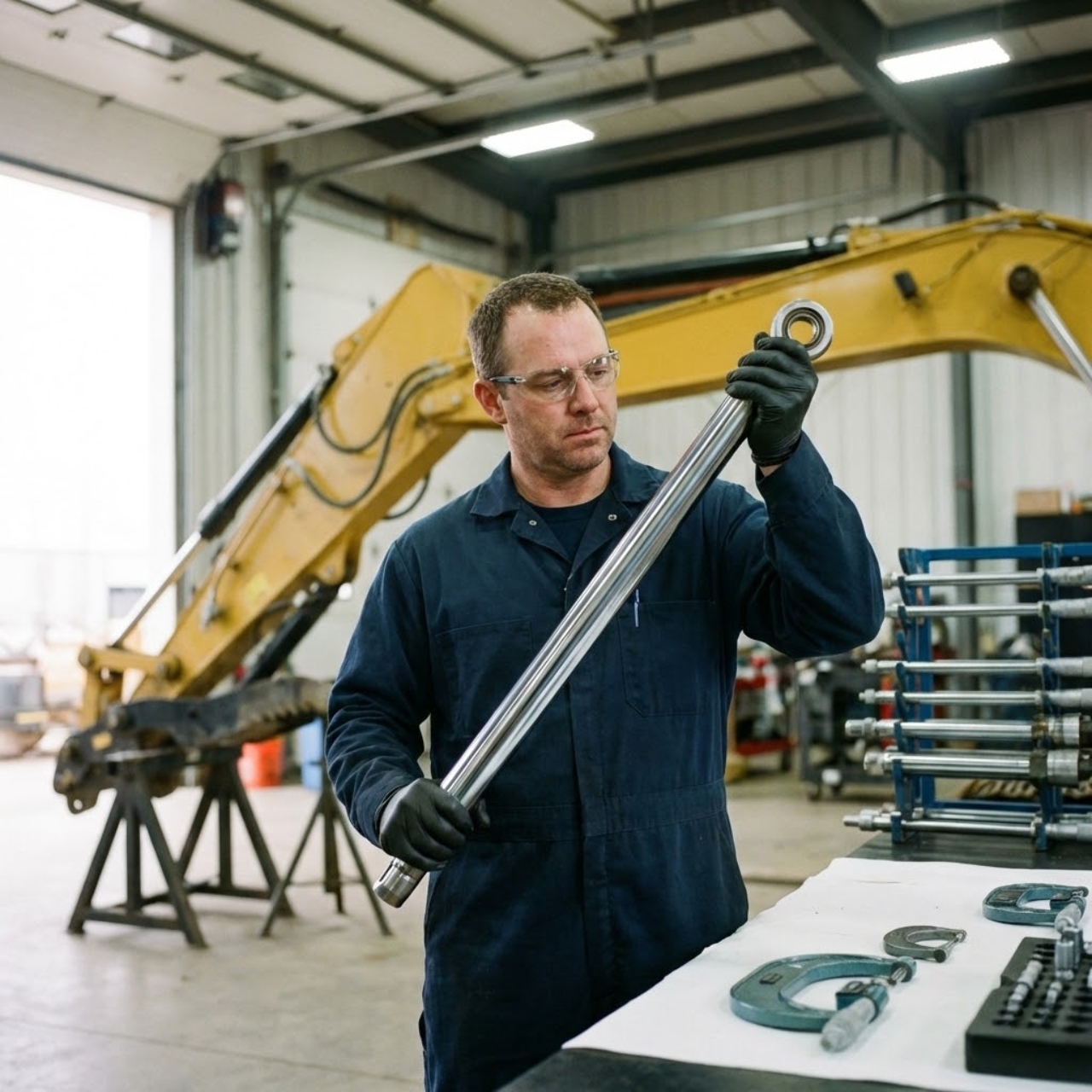
Contamination causes 70-80% of all hydraulic system failures. Most start with particles smaller than 10 microns – smaller than the human eye can detect. For excavator hydraulic fittings, pins, and bushings, this invisible contamination is the greatest threat to component life.
Getting excavator component cleaning right protects more than individual parts. It prevents costly downtime, extends service life, and keeps crews safe from unexpected equipment failures. This guide covers the cleaning protocols that preserve hydraulic system integrity and extend wear component life across your fleet.
Why Excavator Hydraulic Components Need Specialised Cleaning
Standard cleaning methods work for structural components. They do not work for hydraulic systems. Excavator hydraulic components face pressures above 3,000 PSI, temperatures ranging from sub-zero to 90°C, and constant vibration that loosens connections and creates contamination entry points.
Precision Tolerances and Contamination Risk
Hydraulic components operate with clearances of just 5-10 microns between moving parts. That is smaller than a human hair. Any particle within that size range acts as an abrasive compound.
These particles score cylinder walls, damage pump components, and create metal debris that spreads through the entire system. For pins and bushings, dirt trapped between wear surfaces creates three-body abrasion – the most destructive wear mechanism in mechanical systems. Surface contamination progresses to measurable wear, then to excessive play that compromises machine stability and operator control.
The financial impact extends beyond component replacement. A single hydraulic failure can sideline an excavator for days, cascade delays through project schedules, and create safety risks from unexpected equipment behaviour. A parts washer designed for precision components removes this contamination without introducing new risks to sensitive hydraulic surfaces.
Common Cleaning Mistakes That Cause More Damage
Many workshops use the wrong approach for hydraulic components. High-pressure water forced into connections drives contaminants deeper. Aggressive solvents dissolve protective coatings or degrade seal materials. Improper drying leaves moisture that corrodes precision-machined surfaces.
These mistakes turn a cleaning task into a damage event. Proper hydraulic fitting cleaning requires techniques matched to each component type – not the same approach used for structural steel or chassis components.
Hydraulic Fitting Cleaning Protocols
Effective hydraulic fitting cleaning starts before any fitting comes off the machine. Understanding what requires protection determines every step that follows.
Pre-Cleaning Preparation and Connection Point Cleaning
Before disconnecting any fitting, clean the external surfaces around the connection point. This prevents surface contamination from entering the system during disassembly.
Use compressed air to remove loose particles first. Then apply solvent to dissolve oil and grease films that bind fine particles to surfaces.
Once fittings are disconnected, immediately cap or plug all openings. Clean exposed threads, sealing surfaces, and internal passages with lint-free cloths and appropriate solvents. Avoid cotton rags or paper towels – these shed fibres that become contaminants in hydraulic systems.
For threaded connections, use brass or nylon wire brushes to remove embedded particles from thread roots without damaging metal. Stainless steel brushes are too aggressive for most hydraulic fittings and can score sealing surfaces. Work from the outside inward and replace cleaning materials often to avoid redistributing contamination.
Heavy duty parts washers provide the cleaning power needed for larger hydraulic fittings and connection assemblies without risking damage to precision surfaces.
O-Ring Surfaces and Flushing Procedures
O-ring and seal surfaces need particular care. Even minor scratches compromise sealing effectiveness. Clean these surfaces with soft cloths and approved solvents. Inspect under good lighting for any damage that could prevent proper sealing.
Establishing clean zones for hydraulic work makes a significant difference. Dedicated areas where airborne contamination is minimised – and all tools and materials meet appropriate cleanliness standards – reduce the chance of recontamination during assembly.
Before reinstalling components, flush with clean hydraulic fluid. This removes residual cleaning solvent and confirms internal passages are clear. Never return flushing fluid to the system – it contains the contaminants removed during cleaning and will reintroduce the problem you just solved.
Pin and Bushing Cleaning: Addressing Wear Surface Contamination
Pins and bushings operate in harsh, exposed environments. Dirt, mud, and abrasive particles attack wear surfaces throughout every operating cycle. Pin and bushing cleaning is challenging because of tight clearances and cylindrical geometry – but thorough cleaning directly impacts service life and replacement intervals.
Mechanical and High-Pressure Washing
Start with mechanical cleaning to remove bulk contamination. Scrapers and wire brushes clear caked mud, rust scale, and hardened grease. This gross cleaning stage removes 80-90% of contamination mass but leaves the fine particles that cause actual wear damage.
For pins with grease fittings or lubrication passages, flush internal channels with solvent or compressed air. Blocked lubrication passages prevent grease from reaching wear surfaces. Dry-running conditions follow quickly and accelerate wear dramatically.
A heavy equipment parts washer delivers the force needed to dislodge embedded contamination from pin and bushing surfaces without abrasive damage. Water temperature between 60-80°C softens grease and oil films effectively whilst staying below temperatures that could affect heat treatment or coating integrity.
Stainless steel parts washers suit this stage of excavator component cleaning in workshop environments. They resist corrosion from repeated high-temperature wash cycles and deliver consistent cleaning performance across sustained heavy use.
Hold the pressure nozzle 15-30cm from the surface and work systematically. For bushing bores, use appropriate nozzle attachments that direct cleaning along internal surfaces. Multiple passes at moderate pressure outperform single passes at maximum pressure – which can drive contamination into surface irregularities rather than removing it.
Chemical and Ultrasonic Cleaning Options
After high-pressure washing, apply degreasers or solvent cleaners to dissolve remaining oil and grease films. Allow appropriate dwell time for chemical action, then rinse thoroughly with clean water or solvent.
For heavily contaminated or corroded components, hot tanks deliver thorough immersion cleaning results. Heated soak cleaning dissolves heavy grease and carbon deposits from complex component geometry. Hot tank cleaning removes contamination from internal passages and crevices that spray washing cannot reach.
Ultrasonic cleaning provides another option for heavily contaminated parts. High-frequency sound waves create microscopic bubbles that implode against surfaces, dislodging contamination from areas that other methods miss. Contractors maintaining large excavator fleets often find the investment in industrial degreasing equipment pays back quickly through extended component life and reduced replacement frequency.
Inspection, Protection, and Component Preparation
Cleaning enables accurate inspection. Clean surfaces reveal the wear, damage, and degradation that contamination conceals. Inspection after cleaning is where systematic excavator hydraulic maintenance truly begins.
Hotwash Australia has supplied industrial cleaning equipment to workshops, mining operations, and engineering facilities across Australia for over 40 years. The team understands the cleaning standards that make accurate inspection possible and extend component life across demanding operating environments.
Visual and Dimensional Inspection
Under good lighting, examine all surfaces for scoring, pitting, cracks, and abnormal wear patterns. Hydraulic fitting threads should show uniform, undamaged profiles. Sealing surfaces should be smooth and free from scratches or embedded particles.
Pins should display even wear around their circumference. Bushing bores should show consistent surface finish without galling or material transfer. Any abnormal pattern warrants investigation before reinstallation.
Use micrometres or callipers to measure pin diameters at multiple points along their length and circumference. Compare measurements against manufacturer specifications and previous inspection records. Wear exceeding 1-2% of nominal diameter typically indicates replacement is needed, though specific limits vary by application.
For bushings, measure internal diameter with bore gauges. Clearance exceeding 0.5mm between pin and bushing signals replacement time for most excavator applications. Excessive clearance creates the “loose” or “sloppy” machine behaviour operators recognise in their controls.
Surface Finish Assessment and Wear Limits
Run a fingernail across wear surfaces. Smoothness indicates normal wear. Roughness signals abrasive contamination or inadequate lubrication. Scoring, galling, or material transfer indicates severe operating conditions that will rapidly destroy replacement components unless underlying causes are addressed.
Thorough excavator hydraulic maintenance means investigating root causes – not just replacing what wore out. A pattern of accelerated wear in pins and bushings often points to contamination ingress, lubrication failure, or misalignment rather than normal service life reaching its end.
Protecting Cleaned Components Before Reinstallation
The period between cleaning and reinstallation creates contamination risks that systematic procedures eliminate. Carefully cleaned components left exposed to workshop environments quickly accumulate particles, moisture, and handling contamination that undermine the cleaning effort.
Install caps or plugs on all openings immediately after cleaning is complete. Apply clean hydraulic oil or an approved corrosion inhibitor to machined surfaces to prevent rust forming during storage.
Store cleaned pins and bushings in designated clean areas. Keep them separate from contaminated parts waiting for service. Plastic sheeting or sealed containers protect components awaiting installation effectively and at low cost.
Use clean gloves when handling hydraulic fittings. Avoid touching sealing surfaces or internal passages. Keep assembly areas organised, with all tools, fasteners, and materials meeting appropriate cleanliness standards.
Extra heavy duty parts washers support excavator hydraulic maintenance programmes in larger workshops by handling high component volumes without compromising cleaning quality between cycles.
Lubrication Application and Assembly Procedures
Cleaned components face their highest wear risk immediately after reassembly, before protective oil films develop through operation. Pre-assembly lubrication addresses this risk directly.
Apply grease liberally to pin surfaces and bushing bores before assembly. Work lubricant into all contact surfaces. For grease-lubricated components, pump grease through until fresh lubricant appears at all relief points. This displaces any contamination that may have entered during assembly and confirms lubrication passages are clear.
Apply clean hydraulic fluid to all threads and sealing surfaces before tightening. This prevents galling during assembly and helps create the seal that excludes contamination from the system. Do not use pipe dope, thread sealant, or anti-seize compounds unless the equipment manufacturer specifically approves them – these materials can contaminate hydraulic systems and cause seal damage.
Torque all connections to manufacturer specifications using calibrated tools. Under-tightening allows leakage and contamination entry, whilst over-tightening damages threads and sealing surfaces. Record torque values and re-check connections after initial operation to confirm they remain properly sealed.
Establishing Systematic Cleaning Schedules
Reactive maintenance – cleaning components only when problems appear – costs more and achieves less than systematic preventive schedules. Proper scheduling keeps contamination from reaching damaging levels in the first place.
Frequency and Inspection-Based Scheduling
Operating environment determines appropriate cleaning frequency. Excavators working in abrasive soils, demolition environments, or coastal areas face far higher contamination exposure than machines in clean conditions. High-contamination environments require inspection and cleaning at half the intervals appropriate for clean sites.
Inspection-based scheduling provides a cost-effective approach. Clean components when inspection reveals contamination levels approaching concern thresholds. This avoids both premature cleaning that wastes resources and delayed maintenance that allows damage to occur.
Wet abrasive blasters support surface preparation and rust removal tasks between major cleaning cycles. They address the corrosion and surface contamination that accelerates wear when left unattended on exposed components.
Documentation and Predictive Maintenance
Document cleaning dates, inspection findings, measurements, and any abnormal conditions observed. This historical data reveals wear trends and identifies components that require more frequent attention under specific operating conditions.
A heavy equipment parts washer integrated into a documented maintenance programme transforms individual cleaning events into a predictive system. Patterns emerge over time that allow proactive parts replacement before failures occur. Industries that operate large excavator fleets see the greatest return from this approach.
Industrial degreasing equipment paired with consistent documentation delivers the strongest return on investment for fleet operators. The difference between average maintenance programmes and those that genuinely maximise equipment value often comes down to documentation discipline.
Super heavy duty parts washers handle the largest excavator components and highest cleaning volumes for multi-shift operations. They suit sites cleaning heavily contaminated parts consistently across demanding production schedules.
Conclusion
Excavator component cleaning is not routine maintenance. It is the systematic protection of precision-engineered systems that determine equipment reliability, safety, and operating costs. Contamination on hydraulic fittings, pins, and bushings creates the conditions for accelerated wear and unexpected failures that proper cleaning prevents.
The protocols covered here – from pre-cleaning preparation through lubrication and reassembly – provide a framework for maintaining components at the cleanliness levels they require. Proper hydraulic fitting cleaning and pin and bushing cleaning protect both individual parts and the systems they operate within.
For advice on the right industrial degreasing equipment for your excavator maintenance programme, contact our equipment specialists or email us at sales@hotwash.com.au.

Leave A Comment