
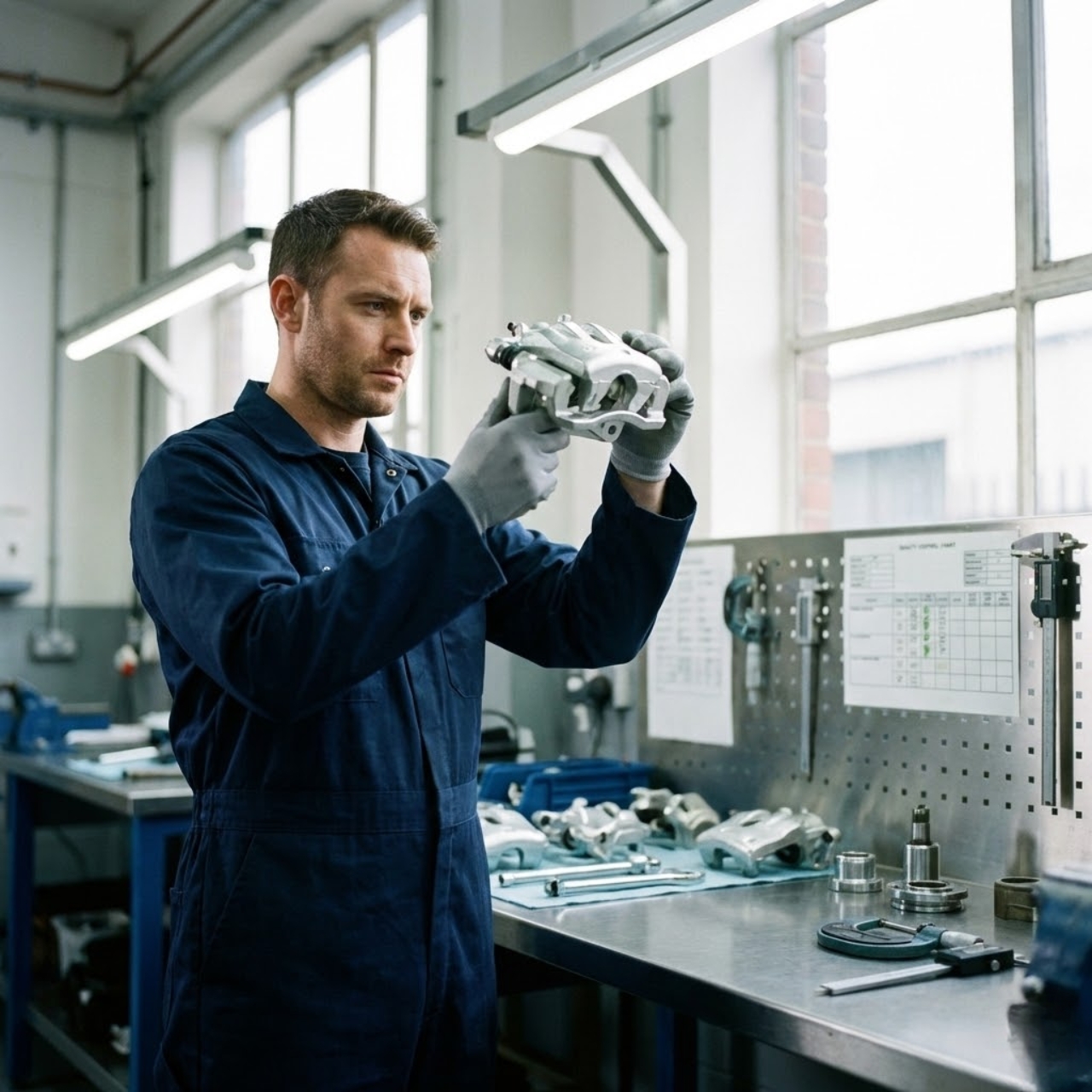
Comeback repairs drain workshop profitability faster than almost any other operational issue. When a customer returns with the same problem days or weeks after service, workshops lose twice – first in unpaid warranty work, then in damaged reputation. Australian automotive facilities report comeback rates ranging from 3% to 12%, with component contamination and inadequate preparation accounting for nearly 40% of these failures.
The root cause often traces back to a single overlooked step: proper component preparation before installation. A brake calliper reinstalled with residual brake dust, an engine block assembled with machining debris still present, or a transmission component fitted without removing old sealant residue – these preparation failures create immediate reliability problems that manifest as comebacks within weeks. Implementing systematic comeback repair prevention protocols addresses these issues before they reach customers.
The True Cost of Inadequate Component Preparation
Workshop managers frequently underestimate the financial impact of comeback repairs. The direct costs appear obvious – parts, labour, and overhead consumed by warranty work that generates zero revenue. A single comeback repair averaging 2.5 hours of technician time costs $250-$400 in labour alone, before accounting for replacement parts or materials.
The indirect costs prove more damaging. Customer trust erodes with each return visit, regardless of explanations about contamination or preparation issues. Research from Australian automotive service centres shows that 68% of customers who experience a comeback repair never return for future service, even when the warranty work was completed satisfactorily. The lifetime value of that lost customer – estimated at $3,500-$8,000 for regular maintenance customers – far exceeds the immediate warranty repair cost.
Technician morale suffers when comeback rates climb. Skilled mechanics take professional pride in their work, and repeated failures due to inadequate preparation processes create frustration and disengagement. Workshops with comeback rates above 8% report 40% higher technician turnover than facilities maintaining rates below 4%. Effective workshop quality control systems prevent this cascade of problems.
Component Contamination Types That Trigger Comebacks
Understanding the specific contaminants that cause failures helps workshops target preparation processes effectively. Different component types attract distinct contamination profiles, each requiring specific cleaning approaches for proper component contamination removal.
Machining Debris and Metal Particles
Engine rebuilds, brake rotor resurfacing, and cylinder head work generate metal particles and machining swarf that embed in component surfaces. These particles cause premature wear when components mate together under load. A connecting rod with residual honing debris will score bearing surfaces within the first 500 kilometres of operation, triggering an engine knock that brings the customer back to the workshop.
Brake system components prove particularly sensitive to metal particle contamination. Brake callipers, wheel cylinders, and master cylinders require absolute cleanliness – a single metal particle lodged in a seal groove will cause hydraulic fluid leakage or piston seizure within weeks of installation.
Carbon Deposits and Combustion Residue
Intake manifolds, EGR valves, throttle bodies, and turbocharger components accumulate carbon deposits that standard degreasing cannot fully remove. These deposits restrict airflow, affect sensor readings, and prevent proper sealing when components are reassembled. A throttle body reinstalled with carbon buildup around the butterfly valve will cause rough idle conditions identical to the original complaint, resulting in an immediate comeback.
Diesel engine components face particularly aggressive carbon accumulation. DPF systems, intake runners, and intercoolers develop thick carbon layers that require thermal cleaning or intensive chemical processes beyond conventional parts washing capabilities.
Old Gasket Material and Sealant Residue
Mating surfaces must achieve perfect flatness and cleanliness for gaskets and sealants to perform correctly. Old gasket material, RTV silicone residue, and hardened sealant create microscopic gaps that allow fluid leakage. An oil pan reinstalled with sealant residue on the mounting flange will develop seepage within days, bringing the customer back with oil spots on their driveway.
Cylinder head and intake manifold surfaces require particularly meticulous pre-installation cleaning. Even minor gasket material remnants prevent proper compression sealing, causing coolant leaks, oil consumption, or combustion gas leakage that manifests as overheating or rough running.
Grease, Oil, and Hydraulic Fluid Contamination
Brake components, clutch systems, and sealed bearing assemblies fail rapidly when exposed to petroleum-based contaminants. Brake pads contaminated with even trace amounts of oil or grease will cause reduced braking effectiveness and squealing – problems that bring customers back immediately with safety concerns.
Transmission components require absolute cleanliness before assembly. Clutch plates, valve bodies, and solenoid assemblies contaminated with old transmission fluid, metal particles, or sealant debris will cause shift quality issues and hydraulic pressure problems within the first week of operation.
How Heavy-Duty Parts Washers Prevent Comeback Repairs
Professional parts washing equipment eliminates the contamination that causes comeback repairs. Unlike manual cleaning methods that rely on technician technique and time availability, heavy-duty parts washers deliver consistent cleaning results regardless of workshop workload or staff experience levels, supporting effective comeback repair prevention.
Spray washers use heated cleaning solution and high-pressure jets to remove contamination from complex component geometries. The rotating spray arms ensure complete coverage of all surfaces, including internal passages, blind holes, and recessed areas that manual brushing cannot effectively reach. A brake calliper processed through a spray washer emerges with all piston bores, seal grooves, and fluid passages completely free of brake dust, corrosion, and old brake fluid residue.
The temperature component proves critical for component contamination removal of stubborn deposits. Heated cleaning solution at 60-80°C breaks down grease, oil, and carbon deposits far more effectively than cold washing. This thermal action combined with mechanical spray impact removes contamination that would otherwise require hours of manual scrubbing with chemical solvents.
Workshop efficiency improves dramatically when technicians can load contaminated components into a washer and return to productive work rather than spending billable time scrubbing parts. A typical brake overhaul that previously required 45 minutes of component cleaning now needs just 5 minutes of loading time, with the washer completing the cleaning cycle while the technician performs other tasks.
Matching Cleaning Systems to Workshop Comeback Patterns
Different workshop types experience distinct comeback patterns based on their service mix, requiring tailored cleaning approaches and appropriate workshop quality control measures.
General Automotive Workshops
Facilities performing brake services, suspension work, and general repairs benefit most from manual parts washers and mid-capacity spray systems. These workshops typically clean 15-30 components daily, focusing on brake callipers, suspension arms, steering components, and small engine parts.
The comeback pattern in general workshops centres around brake noise, fluid leaks, and premature wear issues – all directly linked to inadequate component cleaning. Implementing systematic parts washing for every brake job alone can reduce comeback rates by 3-5 percentage points through proper pre-installation cleaning.
Diesel and Heavy Vehicle Specialists
Workshops servicing trucks, mining equipment, and agricultural machinery face severe contamination levels that demand extra heavy-duty parts washers or hot tank systems. These facilities process large components with heavy carbon deposits, thick grease layers, and embedded dirt that standard spray washers cannot adequately remove.
Comeback patterns in heavy vehicle workshops typically involve turbocharger failures, DPF system problems, and hydraulic component issues – all sensitive to contamination. Hot tank immersion cleaning provides the thermal and chemical action necessary to remove the aggressive contamination these components accumulate, delivering thorough rework cost reduction.
Engine Rebuilding Specialists
Machine shops and engine rebuilders require absolute cleanliness to prevent catastrophic comeback failures. These facilities benefit from hot blaster systems that combine high-temperature cleaning with maximum pressure to remove machining debris, carbon deposits, and old bearing material from engine blocks, cylinder heads, and crankshafts.
The stakes in engine rebuilding prove particularly high – a comeback repair often means complete engine disassembly and rebuild at the workshop’s expense. A single engine failure caused by inadequate component preparation can cost $8,000-$15,000 in warranty work, making comprehensive cleaning systems a critical investment in comeback repair prevention.
Implementing Component Preparation Standards
Reducing comeback rates requires more than equipment investment – workshops must establish and enforce preparation standards that ensure consistent cleaning quality through systematic workshop quality control.
Creating Component-Specific Cleaning Protocols
Different components require different cleaning approaches for effective component contamination removal. Brake callipers need complete removal of brake dust and corrosion without damaging protective coatings. Aluminium cylinder heads require cleaning that removes carbon and gasket material without causing surface pitting. Transmission valve bodies need absolute cleanliness in fluid passages without any residual cleaning solution that could contaminate fresh transmission fluid.
Successful workshops document specific cleaning protocols for each component type, specifying wash cycle duration, solution temperature, and post-cleaning inspection requirements. These protocols ensure that apprentice technicians and experienced mechanics achieve identical cleaning results.
Integrating Cleaning into Workflow Processes
Component preparation must become a mandatory workflow step rather than an optional extra when time permits. Leading workshops implement job card systems that require technician sign-off confirming that components were properly cleaned before reassembly. This accountability ensures cleaning steps aren’t skipped during busy periods when comeback risks increase.
The most effective approach integrates parts washing early in the repair process. When a technician removes brake callipers, they immediately load them into the washer rather than setting them aside for later cleaning. This workflow integration ensures components are clean and ready for reassembly when needed, eliminating the temptation to skip pre-installation cleaning steps to maintain schedule.
Monitoring and Measuring Comeback Reduction
Workshops serious about reducing comeback rates track metrics that reveal the impact of improved component preparation. The primary metric – overall comeback rate expressed as percentage of repair orders – should show measurable decline within 60-90 days of implementing systematic parts washing.
More detailed analysis examines comeback rates by repair type. Facilities should see brake-related comebacks drop significantly first, followed by improvements in engine work, transmission services, and other categories as cleaning processes mature. This category-specific tracking helps identify which component types still need preparation process improvements for continued rework cost reduction.
The Australian Manufacturing Advantage in Cleaning Systems
Hotwash manufactures industrial parts washing equipment designed specifically for Australian workshop conditions. The systems feature robust construction that withstands continuous operation in demanding automotive environments, with powder-coated steel cabinets and stainless steel options for food industry applications requiring maximum hygiene standards.
Australian-made equipment offers critical advantages for workshops focused on reducing comeback rates. Local engineering ensures systems meet Australian electrical standards and workplace safety requirements without modification. When components need replacement or systems require servicing, local parts availability and technical support prevent the extended downtime that overseas-manufactured equipment often experiences.
The company’s range addresses different workshop scales and contamination levels. Small automotive workshops benefit from manual and light-duty systems, while heavy vehicle specialists and engine rebuilders can specify super heavy-duty parts washers engineered for maximum cleaning performance on large, heavily contaminated components.
ROI Analysis: Comeback Prevention Through Component Preparation
The financial case for professional parts washing equipment centres on comeback cost avoidance rather than labour savings alone. A workshop performing 200 repair orders monthly with a 10% comeback rate experiences 20 warranty repairs each month. If average comeback cost reaches $350 in labour and materials, the facility loses $7,000 monthly to warranty work.
Reducing comeback rate to 5% through systematic component preparation eliminates 10 warranty repairs monthly, recovering $3,500 in previously lost revenue. This $42,000 annual improvement justifies equipment investment in under 12 months for most workshop configurations, demonstrating clear rework cost reduction benefits.
The calculation becomes more compelling when customer retention effects are included. Each prevented comeback retains a customer worth $3,500-$8,000 in lifetime service value. Preventing just 10 additional customer losses annually through improved reliability adds $35,000-$80,000 to long-term workshop revenue.
Workshop reputation benefits prove difficult to quantify but significantly impact new customer acquisition. Facilities known for reliable repairs that don’t require return visits generate referral business and positive online reviews that attract new customers without marketing expense. This reputation value compounds over years as the workshop builds market position as the reliable service provider in their area.
Conclusion
Comeback repairs represent one of the most controllable profit drains in automotive workshop operations. While some comeback causes – misdiagnosis, parts defects, customer usage patterns – remain difficult to prevent, contamination-related failures are entirely avoidable through proper component preparation processes and systematic comeback repair prevention.
Professional parts washing equipment transforms component preparation from a time-consuming manual task into a consistent, automated process that delivers reliable results regardless of workshop workload or technician experience. The investment pays for itself through warranty cost avoidance, customer retention, and reputation improvement that drives new business acquisition.
Australian workshops gain additional advantages from locally manufactured cleaning systems that meet domestic standards, offer reliable parts availability, and provide accessible technical support. These factors ensure that cleaning equipment remains productive rather than becoming idle due to maintenance delays or parts shortages.
Facilities serious about reducing comeback rates should evaluate their current component preparation processes against their comeback patterns. The correlation between inadequate cleaning and specific failure types becomes obvious when examined systematically. For workshops ready to implement systematic parts washing processes that prevent costly warranty work and protect customer relationships, contact us to discuss cleaning system options matched to specific workshop requirements and contamination challenges.

Leave A Comment