
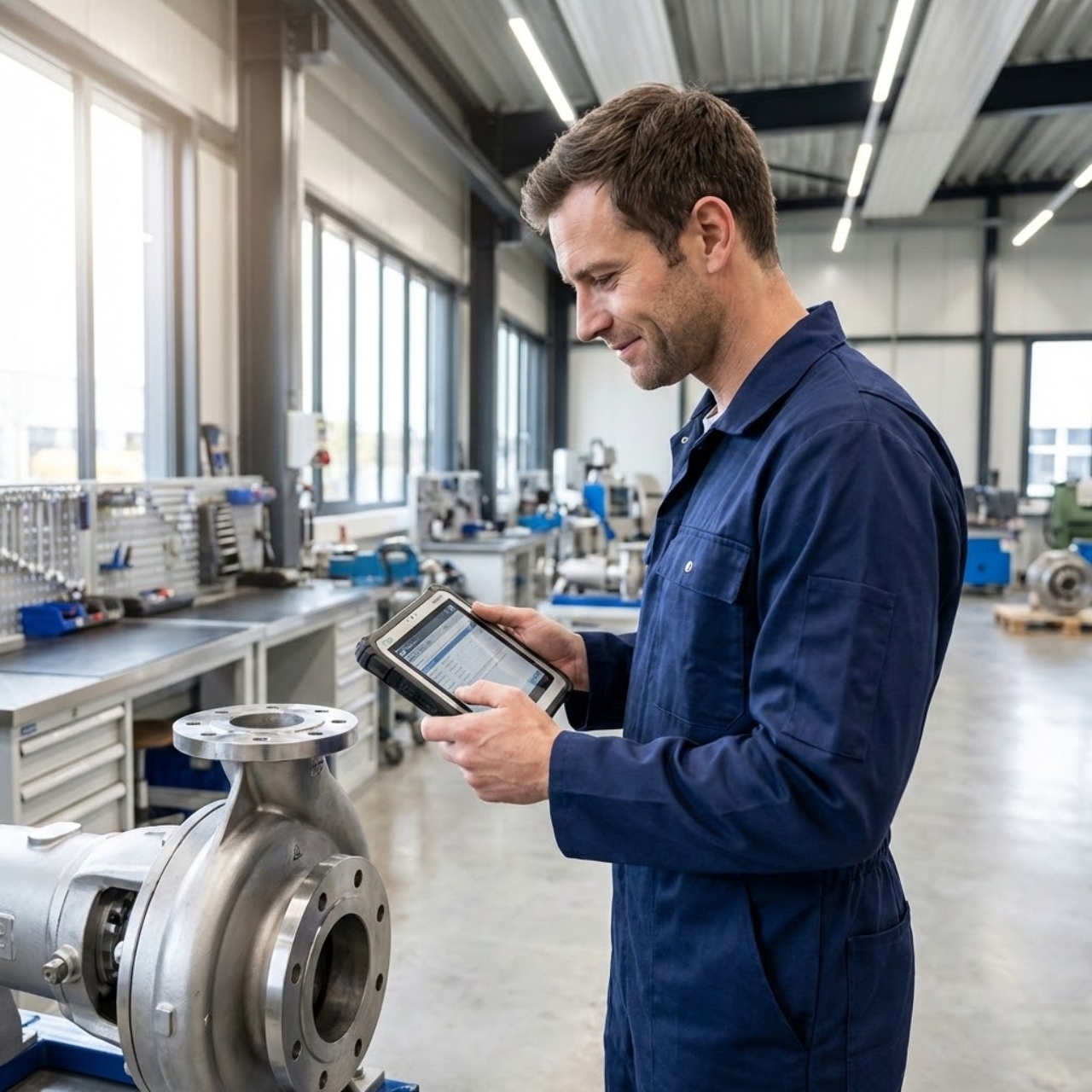
Workshop managers across Australian mining operations and manufacturing facilities face a persistent challenge: attracting and retaining skilled maintenance technicians in a competitive labour market. While salary packages and benefits matter, a less obvious factor significantly influences employee satisfaction and retention rates – the quality and modernity of the equipment workers use daily.
When maintenance teams spend their shifts wrestling with outdated manual cleaning methods, scrubbing industrial components by hand, and working with inefficient equipment, modern equipment job satisfaction plummets. Conversely, operations that invest in modern heavy-duty parts washers and automated cleaning systems report measurable improvements in employee morale, safety outcomes, and retention rates. The connection between workshop equipment and employee satisfaction isn’t merely anecdotal – it reflects fundamental workplace factors that influence how technicians perceive their roles and their employer’s commitment to their wellbeing.
How Equipment Quality Signals Company Values
The equipment a company provides sends a clear message about how it values its workforce. When organisations invest in modern, efficient cleaning systems rather than expecting workers to manually scrub components with brushes and solvents, employees recognise this investment as respect for their time, safety, and professional development. These equipment quality signals matter significantly to experienced technicians.
Maintenance technicians working with outdated equipment frequently report feeling undervalued. Manual parts cleaning represents one of the most time-consuming and physically demanding aspects of workshop operations. A single large mining component might require 2-3 hours of manual scrubbing, exposing workers to harsh chemicals and repetitive strain injuries. When companies fail to modernise these processes, skilled technicians interpret this as a lack of investment in both operational efficiency and worker welfare.
Modern automated parts washing systems eliminate this perception gap. When workshop managers implement Hotwash industrial cleaning equipment, technicians immediately recognise the operational upgrade. Instead of spending hours manually degreasing components, automated spray washers complete the same task in 15-20 minutes with superior results. This workplace cleaning efficiency demonstrates management’s commitment to eliminating unnecessary manual labour and allowing skilled workers to focus on technical tasks that utilise their expertise.
The psychological impact extends beyond individual satisfaction. When companies prioritise industrial cleaning upgrades, they create workplace cultures where continuous improvement becomes the standard. Technicians working in facilities with modern equipment report higher confidence in their employer’s long-term viability and greater willingness to recommend the workplace to other skilled tradespeople.
Physical Demands and Workplace Fatigue
Physical exhaustion directly correlates with job dissatisfaction in industrial maintenance roles. Manual parts cleaning ranks among the most physically demanding workshop tasks, requiring sustained effort, awkward postures, and repetitive motions that contribute to chronic fatigue and musculoskeletal injuries.
Traditional manual cleaning methods force technicians into uncomfortable positions – bending over wash sinks, reaching into component cavities, scrubbing with wire brushes and chemical degreasers. A maintenance technician might manually clean 15-20 components during a standard shift, accumulating hours of physical strain. This repetitive manual labour contributes to shoulder injuries, lower back problems, and hand fatigue that affect both job performance and personal quality of life.
The Australian mining industry faces particular challenges with physical workplace demands. Mining operations typically run continuous schedules, with maintenance teams cleaning heavy equipment components contaminated with mud, grease, coal dust, and drilling fluids. When these operations rely on manual cleaning methods, technicians experience accelerated physical fatigue that reduces modern equipment job satisfaction and increases turnover rates.
Modern industrial parts washers eliminate the majority of this physical burden. Extra heavy-duty systems designed for mining applications handle large components automatically, using high-pressure spray systems and heated detergent solutions to remove contamination without manual scrubbing. Technicians simply load components into the washing chamber, select the appropriate cycle, and return to collect spotlessly clean parts – no physical exertion required.
This reduction in physical demands produces measurable improvements in employee wellbeing. Maintenance teams report decreased end-of-shift fatigue, fewer musculoskeletal complaints, and greater capacity to maintain focus on technical diagnostic work. When workers finish their shifts without the accumulated physical exhaustion associated with manual cleaning, workplace cleaning efficiency increases alongside reduced injury rates and workers’ compensation claims.
Safety Improvements and Chemical Exposure
Workplace safety represents a fundamental component of employee satisfaction, particularly in industrial maintenance environments where chemical exposure and injury risks significantly impact daily work experiences. Manual parts cleaning exposes technicians to multiple safety hazards that modern automated systems effectively eliminate.
Traditional manual cleaning methods require direct contact with aggressive chemical degreasers, petroleum solvents, and caustic cleaning solutions. Even with protective equipment, prolonged exposure to these chemicals contributes to skin conditions, respiratory irritation, and long-term health concerns. Workshop environments with inadequate ventilation compound these risks, creating airborne chemical concentrations that affect entire maintenance teams.
The physical handling required for manual cleaning introduces additional safety concerns. Heavy components become slippery when coated with cleaning chemicals, increasing drop risks and potential crush injuries. Wire brushes and manual scrubbing tools create hand and arm fatigue that reduces grip strength and increases accident likelihood throughout the shift.
Modern automated parts washing systems address these safety concerns through enclosed cleaning chambers and automated handling systems. When technicians use hot tank systems or spray washers, components remain enclosed during the cleaning process, eliminating chemical exposure and containing cleaning solution vapours within the equipment. Automated systems also reduce manual handling requirements, as components enter and exit the cleaning chamber without the repetitive lifting and positioning required for manual cleaning.
The safety improvements extend beyond chemical exposure. Automated parts washers maintain consistent operating temperatures and cleaning solution concentrations, eliminating the variable conditions that contribute to accidents in manual cleaning operations. Workers no longer need to monitor solution temperatures or adjust chemical concentrations throughout their shifts, reducing both safety risks and mental workload.
These safety enhancements directly influence employee satisfaction and retention. Technicians working in facilities with modern cleaning equipment report greater confidence in workplace safety standards and increased trust in management’s commitment to worker protection. This perception of safety investment contributes to positive workplace culture and reduces turnover rates among experienced maintenance personnel.
Professional Development and Skill Utilisation
Skilled maintenance technicians pursue industrial careers to apply their technical knowledge and problem-solving abilities, not to spend hours performing repetitive manual cleaning tasks. When workshop operations require technicians to dedicate significant portions of their shifts to manual parts washing, modern equipment job satisfaction declines as workers feel their professional skills remain underutilised.
The opportunity cost of manual cleaning becomes particularly apparent in operations experiencing equipment downtime. When a critical mining component requires cleaning before inspection or reassembly, every hour spent manually scrubbing represents an hour of delayed diagnostic work. Technicians trained in hydraulic systems, electrical diagnostics, or mechanical troubleshooting experience frustration when their expertise sits idle while they perform manual labour that automated systems could complete more efficiently.
Modern parts washing equipment transforms this dynamic by eliminating manual cleaning as a time-consuming task. When super heavy-duty washers handle component cleaning automatically, technicians redirect their time toward skilled maintenance activities. A diesel technician can load a contaminated engine component into an automated washer, initiate the cleaning cycle, and immediately return to diagnostic work on another piece of equipment. The washing system completes the cleaning process independently, delivering spotlessly clean components ready for inspection or reassembly.
This workplace cleaning efficiency creates workplace environments where skilled workers spend the majority of their shifts applying their technical expertise rather than performing manual labour. Maintenance technicians report significantly higher job satisfaction when their daily activities align with their professional training and career aspirations. The ability to focus on technical problem-solving rather than repetitive cleaning tasks contributes to professional fulfilment and career development.
The impact on professional development extends beyond individual satisfaction. Workshops equipped with modern cleaning systems create opportunities for technicians to expand their skills through increased exposure to complex maintenance challenges. When automated equipment handles routine cleaning tasks, maintenance teams gain capacity to undertake additional diagnostic work, preventive maintenance activities, and technical training – all factors that contribute to career advancement and long-term modern equipment job satisfaction.
Workplace Efficiency and Team Morale
Workshop efficiency directly influences team morale and collective job satisfaction. When maintenance operations struggle with bottlenecks and inefficient processes, frustration spreads throughout the team, creating negative workplace dynamics that affect retention and productivity. Automated cleaning morale benefits extend across entire maintenance teams.
Manual parts cleaning frequently creates operational bottlenecks that impact entire maintenance teams. When components require hours of manual scrubbing before technicians can proceed with inspection or repair work, downstream maintenance activities experience delays. These bottlenecks force teams to work around incomplete cleaning tasks, creating workflow disruptions that reduce overall efficiency and increase workplace stress.
The collaborative impact of these inefficiencies extends beyond individual frustration. When one technician spends hours manually cleaning components, other team members may need to delay their work or assist with cleaning tasks to maintain operational schedules. This redistribution of labour removes multiple skilled workers from technical activities, compounding the productivity impact and creating collective dissatisfaction with workshop processes.
Modern automated cleaning systems eliminate these bottlenecks by processing multiple components simultaneously without requiring constant supervision. A workshop equipped with appropriate industrial parts washers can maintain continuous cleaning operations throughout the shift, ensuring clean components remain available when technicians need them. This operational flow reduces waiting time, eliminates workflow disruptions, and allows maintenance teams to maintain consistent productivity.
The efficiency improvements contribute to positive team dynamics and collective automated cleaning morale. When workshops operate smoothly without cleaning bottlenecks, technicians experience reduced stress and greater confidence in their ability to meet maintenance schedules. Teams working in efficient environments report stronger collaboration, improved communication, and higher overall morale – all factors that influence retention rates and workplace culture.
Competitive Advantage in Talent Acquisition
The Australian industrial labour market remains intensely competitive, with skilled maintenance technicians commanding premium salaries and selecting employers based on comprehensive workplace factors beyond compensation. Modern equipment and efficient operations have become significant differentiators in talent acquisition, influencing whether experienced technicians accept positions and remain with organisations long-term.
Prospective employees evaluate workshop facilities during recruitment processes, forming immediate impressions about operational standards and workplace quality. Candidates touring facilities with outdated manual cleaning processes and aging equipment recognise these conditions as indicators of broader operational challenges. Conversely, workshops showcasing modern automated systems and efficient processes signal professional environments that value both operational excellence and employee experience through clear equipment quality signals.
The recruitment advantage extends beyond initial impressions. Skilled technicians discuss workplace conditions within professional networks, with equipment quality and operational efficiency featuring prominently in these conversations. Facilities known for modern equipment and efficient operations benefit from positive word-of-mouth recommendations that attract quality candidates, while operations relying on outdated manual processes struggle to compete for experienced personnel.
This competitive dynamic becomes particularly significant in regional mining operations and remote industrial facilities where talent attraction presents ongoing challenges. When companies demonstrate commitment to modern equipment and operational efficiency through industrial cleaning upgrades, they differentiate themselves within competitive labour markets and improve their ability to attract and retain skilled maintenance personnel.
Measuring Return on Equipment Investment
The financial case for modern parts washing equipment extends beyond direct operational savings to encompass employee-related costs that significantly impact overall profitability. While equipment acquisition represents a capital investment, the returns manifest through reduced turnover costs, decreased injury rates, and improved productivity that collectively justify the expenditure.
Employee turnover costs Australian industrial operations between $30,000-$50,000 per skilled technician when accounting for recruitment expenses, training investments, and productivity losses during transition periods. Operations experiencing high turnover due to poor equipment and inefficient processes incur these costs repeatedly, creating substantial financial drains that exceed the investment required for modern cleaning systems.
Workplace injury costs present additional financial considerations. Manual cleaning-related injuries contribute to workers’ compensation claims, lost time incidents, and potential regulatory penalties that impact operational budgets. Modern automated systems that eliminate manual handling and chemical exposure reduce these injury rates, generating measurable cost savings alongside improved safety outcomes.
The productivity improvements associated with automated cleaning systems deliver immediate financial returns. When maintenance teams redirect time from manual cleaning to skilled technical work, operations gain capacity to complete additional maintenance activities without increasing labour costs. This productivity enhancement reduces equipment downtime, extends component life through improved maintenance quality, and increases overall workplace cleaning efficiency.
When workshop managers evaluate these combined financial impacts – reduced turnover costs, decreased injury expenses, and enhanced productivity – the return on investment for modern parts washing equipment becomes compelling. The employee satisfaction benefits that contribute to retention and recruitment advantages represent quantifiable financial value that justifies equipment upgrades beyond direct operational efficiency gains.
Implementing Equipment Upgrades for Maximum Impact
Successfully implementing modern parts washing equipment requires strategic planning that maximises both operational benefits and employee satisfaction impacts. Workshop managers should approach industrial cleaning upgrades as comprehensive process improvements rather than simple equipment replacements.
The implementation process begins with thorough assessment of current cleaning workflows and identification of specific bottlenecks affecting both efficiency and employee satisfaction. This assessment should include direct input from maintenance technicians who understand practical challenges and can identify which equipment upgrades would deliver the greatest impact on daily operations.
Equipment selection should match operational requirements and component characteristics. Mining operations cleaning large, heavily contaminated components require different capabilities than food processing facilities maintaining stainless steel equipment. Consulting with industrial cleaning specialists ensures selected systems appropriately address specific cleaning challenges and operational scales.
Training represents a critical implementation component that influences both equipment effectiveness and employee adoption. When maintenance teams receive comprehensive training on new automated systems, they gain confidence in equipment operation and recognise the efficiency benefits these systems deliver. Proper training also ensures technicians understand maintenance requirements and operational best practices that maximise equipment longevity and performance.
The implementation timeline should accommodate operational schedules while demonstrating commitment to rapid improvement. Phased implementations that prioritise the most problematic cleaning bottlenecks deliver immediate satisfaction benefits while allowing operations to maintain productivity during transition periods.
Creating Long-Term Workplace Excellence
The connection between modern equipment and employee satisfaction extends beyond immediate operational improvements to influence long-term workplace culture and organisational success. Companies that prioritise equipment quality and operational efficiency create environments where continuous improvement becomes standard practice and employee engagement remains consistently high.
This cultural transformation requires sustained commitment beyond initial equipment investments. Regular assessment of operational processes, ongoing equipment maintenance, and continued investment in workplace improvements demonstrate consistent organisational values that influence employee perceptions and modern equipment job satisfaction levels.
The competitive advantages generated through this approach compound over time. Operations known for modern equipment and efficient processes attract quality talent, retain experienced technicians, and maintain productivity advantages that translate directly to operational profitability and market competitiveness.
Conclusion
The relationship between workshop equipment quality and employee satisfaction represents a fundamental factor in industrial operations management. Modern automated parts washing systems eliminate the physical demands, safety risks, and time-consuming manual labour associated with traditional cleaning methods, creating workplace environments where skilled technicians can focus on applying their professional expertise rather than performing repetitive manual tasks.
The benefits extend beyond individual satisfaction to encompass workplace cleaning efficiency, safety improvements, and competitive advantages in talent acquisition and retention. When organisations invest in modern cleaning equipment, they signal commitment to employee wellbeing while simultaneously improving productivity, reducing costs, and enhancing workplace safety.
For Australian mining operations, manufacturing facilities, and industrial workshops seeking to improve employee satisfaction and retention rates, equipment modernisation offers measurable returns that justify the investment. The combination of enhanced workplace conditions, improved operational efficiency, and reduced physical demands creates environments where skilled technicians choose to build long-term careers.
Workshop managers evaluating equipment upgrade options should consider both the operational efficiency gains and the employee satisfaction impacts that modern systems deliver. Contact us to discuss how automated industrial cleaning equipment can transform maintenance operations while improving employee satisfaction and retention across the facility.

Leave A Comment