
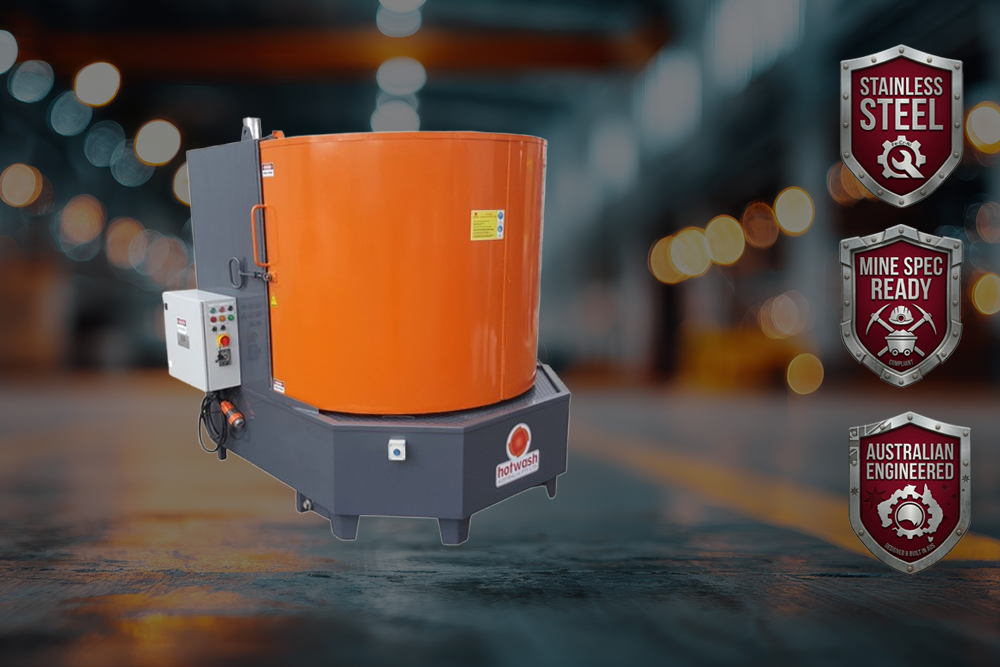
Shared machinery can pass between crews, supervisors, and maintenance staff throughout the working day. A multi-shift workshop therefore needs clear rules for equipment access and handover.
This guide explains how pad-lockable electrical cabinets fit that control process. It also covers their limits, procurement context, and connection with wider electrical safety procedures.
Why Electrical Cabinet Access Needs Clear Rules
Define Who Can Access The Cabinet
Electrical cabinet access control starts with a simple question. Who is permitted to open the cabinet on the selected machine?
That answer should be defined by the workplace. It should reflect applicable electrical requirements, site procedures, and the person’s competence or authorisation.
The Hotwash Super Heavy Duty range lists a pad lockable electrical cabinet as an optional safety extra. Hotwash describes the option as intended to limit cabinet access to qualified persons; that supplier wording should not be read as a guarantee of competence, licensing, or electrical isolation.
The cabinet feature should not be treated as a complete electrical safety system. It supports access management within a broader workplace process.
In a multi-shift workshop, that process should remain consistent between crews. A different shift should not rely on informal assumptions.
Documented responsibilities can help supervisors manage handover. Workers should know who can access electrical areas and who should report faults.
Clear boundaries also help avoid casual access. A cabinet should not become a general storage or adjustment point for unassigned workers.
Keep Access Control Separate From Isolation
Lockable electrical enclosures can support controlled access to electrical components. They do not automatically prove that equipment is electrically isolated.
Isolation procedures are a separate workplace requirement. The correct method depends on the equipment, task, and applicable electrical rules.
Managers should avoid treating a lockable cabinet as permission to perform electrical work. Access and electrical work are different decisions.
Electrical cabinet access control should therefore sit beside proper isolation, maintenance, and fault-reporting procedures. Each control has its own purpose.
The Super Heavy Duty range lists the pad lockable electrical cabinet among its optional safety extras.
This distinction matters during cleaning or servicing. A closed cabinet can limit casual access without confirming the internal electrical state.
Workshop instructions should use precise language. Terms such as isolated, locked, de-energised, and authorised should not be treated as interchangeable.
Where electrical work is required, the workplace should follow relevant legal requirements. Manufacturer information should also guide machine-specific procedures.
How The Optional Cabinet Fits The Hotwash Range
Confirm The Feature Before Ordering
Hotwash currently presents the pad-lockable electrical cabinet as an optional Super Heavy Duty feature. The site does not present that option as standard equipment across every washer category.
Buyers should therefore confirm the chosen configuration before writing site procedures. Procurement records should list the option clearly when it is required.
The wider automatic parts washers range is divided into several categories, including Heavy Duty, Extra Heavy Duty, Super Heavy Duty, and stainless-steel options. Features and configurations vary between those categories.
Workshop equipment security should begin with accurate product information. Assumptions about standard equipment can create gaps between purchasing and operations.
A written specification can help installation teams understand what should arrive. It can also support later training and maintenance documentation.
Managers should compare the delivered machine against that specification. Any change should be resolved before operators rely on the planned controls.
Optional safety extras deserve the same review as major machine features. Their purpose and availability should be confirmed rather than inferred.
Match The Cabinet To Site Procedures
Qualified person access needs a clear site definition. The appropriate person can depend on the task and local electrical requirements.
A cabinet lock alone cannot decide competence. The workplace must determine who has the required training, authorisation, or licence.
The supplier publishes industrial parts cleaning equipment across several categories. The relevant product page should guide feature discussions for each machine.
Lockable electrical enclosures can support a site rule that limits cabinet opening. The rule should also cover key or lock management.
Across rotating shifts, responsibility can change between supervisors. Handover procedures should state who controls access during each operating period.
Do not leave access arrangements to habit. A consistent process is easier to explain to new workers, contractors, and maintenance personnel.
The cabinet feature works best when people understand its role. It should support existing procedures rather than replace them.
Select The Washer Before Adding Optional Controls
Start With The Cleaning Requirement
The cleaning task should remain the first equipment-selection question. Component size, contamination, available space, and workflow all affect washer choice.
The Heavy Duty range describes mild-steel construction and lists automatic spray washer models for workshop use.
The Extra Heavy Duty range is separately described with features such as dual-skin construction, a 24-hour timer, and automatic pump-out. Those features should not be assumed for other categories unless their own product information confirms them.
The correct washer category should be established before optional features are reviewed. A cabinet option cannot compensate for unsuitable cleaning capacity.
Hotwash Australia publishes automatic washer categories alongside specialised and manual parts-cleaning equipment.
Procurement teams should also consider service access around the machine. Electrical areas need practical space for authorised inspection and maintenance activity.
Storage, benches, and temporary equipment can affect that access. Layout planning should account for normal workshop conditions rather than empty-floor drawings.
A clear machine specification connects cleaning needs with operating requirements. Optional features can then be considered in the correct context.
Review The Installed Machine As A Whole
Workshop equipment security includes more than a cabinet lock. It also includes control of keys, access permissions, fault reporting, and maintenance records.
The selected machine should be reviewed as a complete installation. Electrical access is only one part of that review.
For a Super Heavy Duty example, the HW1600SHD washer appears in the published range. Its individual product page currently does not detail the pad-lockable cabinet, so buyers should confirm the required configuration rather than assume that every range-level option is fitted to that model.
Electrical cabinet access control should match the final equipment arrangement. It should not be based on a different model or general category description.
Workplace teams can walk through normal operation before routine use begins. This helps confirm where operators, supervisors, and maintenance personnel interact with the machine.
Any relocated machine should be reviewed again. New surroundings can change access, visibility, and key-management arrangements.
For larger cleaning requirements, Hotwash also publishes a separate Extra Heavy Duty range.
The aim is a clear operating system around the equipment. No single optional feature provides that system by itself.
Manage Access Across Different Shifts
Use Consistent Handover Information
A multi-shift workshop can involve different people managing the same equipment over time. Consistent handover information helps avoid conflicting access practices.
Qualified person access should not depend on which supervisor is present. The workplace should define the rule and communicate it consistently.
Handover notes can identify reported faults or restricted equipment. They can also confirm whether maintenance work remains incomplete.
The optional cabinet can support those arrangements when fitted to the selected machine. The lockable feature should remain tied to the site’s access procedure.
Key control needs the same clarity. Workplaces should define who holds keys or lock authority under their local system.
Contractors should receive appropriate instructions before accessing equipment. Their involvement does not remove the workplace’s need to coordinate access and safety arrangements.
A simple, repeatable process can make expectations easier to follow. It should be reviewed when staff, equipment, or procedures change.
Avoid Overstating What A Lock Provides
Workshop equipment security can benefit from controlled cabinet access. However, a physical lock does not confirm electrical condition or maintenance status.
It also does not replace competent inspection, testing, or repair. Those tasks should follow applicable electrical safety requirements.
Lockable electrical enclosures should therefore be described accurately. They help restrict opening when managed correctly, but they are not a complete risk-control solution.
This is especially important when crews change. Different teams may otherwise interpret a locked cabinet differently.
Site procedures should explain what a lock means. They should also explain what workers must do when the machine develops a fault.
Clear fault reporting prevents guesswork. Workers should know who to notify and whether the equipment must remain out of service.
The feature’s value comes from controlled use within a defined system. Avoid promotional claims that promise outcomes the cabinet cannot deliver alone.
Frequently Asked Questions
Are Pad-Lockable Cabinets Standard Across All Hotwash Washers?
No. Hotwash lists the pad lockable electrical cabinet as an optional safety extra on the Super Heavy Duty range. The site does not present it as a standard feature across every washer category.
That published wording should not be extended to every washer category. Buyers should confirm the exact configuration for the selected machine.
Where the option is required, specify it in the purchase or machine configuration and confirm it for the selected model.
This approach keeps site documentation accurate. It also avoids training workers around a feature that may not be fitted.
Does A Locked Cabinet Mean The Machine Is Electrically Isolated?
No. A locked cabinet and electrical isolation are different controls.
The cabinet can support qualified person access by limiting who opens the enclosure. Isolation requires the workplace’s applicable electrical procedure.
Workers should never infer electrical condition from the cabinet lock alone. The correct status should come from authorised procedures and equipment information.
That distinction also applies to maintenance planning. A lock can support access control without replacing isolation, testing, or competent electrical work.
Conclusion
Treat The Cabinet As One Part Of A Wider System
Pad-lockable electrical cabinets can support controlled access when included in the selected equipment configuration. Their purpose should remain limited and clearly explained.
They do not replace electrical isolation procedures. They also do not determine whether a person is legally competent for electrical work.
A sound approach combines accurate equipment specification with site access rules. Training, handover, maintenance, and fault reporting should support those rules.
Workshop equipment security is strongest when responsibilities are understood. The machine feature should fit that workplace system rather than define it.
Confirm The Required Configuration
Before ordering, identify the cleaning task and required washer category. Then confirm any optional cabinet or safety features needed for the site.
For the selected machine and optional features, reach out to our team or email sales@hotwash.com.au.

Leave A Comment